
Contact
ul. Św. Sebastiana 9,
31-049 Kraków
[email protected]
Phone
(12) 422 89 37
(12) 422 59 59
Opening hours
Mon: closed
Tue: 9:00 a.m. - 3:00 p.m.
Wed: 9:00 a.m. - 3:00 p.m.
Thu: 9:00 a.m. - 3:00 p.m.
Fri: 9:00 a.m. - 3:00 p.m.
Sat: closed
Sun: closed
Last entrence - 45 minutes before closing
Tickets
Ticket sales end 45 minutes before the Museum closes.
Days closed to visitors
In the near future, the museum will be closed on the following days:
Ticket prices
Regulations for visiting the museum
- About the museum
- Woolly rhinoceros from Staruni
- Temporary exhibitions
- Events
- Photo gallery
- Educational offer
Head of the Museum
Deputy Head of the Museum
Pracownicy naukowi
Pracownicy techniczni
Marek Banasiak
Karolina Burmer
Aneta Garbula
Nina Kowalik
Andrzej Palaczyk
Lidia Swat
Woolly rhinoceros from Staruni
The woolly rhinoceros (Coelodonta antiquitatis) is an extinct species of mammal that lived throughout Eurasia during the late Pleistocene, from the Pyrenees to Siberia. Alongside the woolly mammoth, it was the largest herbivore of the Ice Age. The woolly rhinoceros fed mainly on grass and lichens. An adult specimen reached a height of about 2 m and a length of over 5 m and weighed about 3.5 tonnes. Its thick coat and long, coarse hair provided excellent protection against heat loss during the harsh winters of the ice age. Its head, which narrowed towards the front, was equipped with two powerful horns.
The exceptionally well-preserved body of the woolly rhinoceros, complete with internal organs and soft tissues, makes the specimen stored at the ISEA PAS Natural History Museum on Św. Sebastiana Street is one of the most valuable natural specimens in the world. The rhino's body was preserved thanks to the preservative properties of brine and earth wax (ozokerite) deposits found at the site of the discovery. In addition to the stuffed rhinoceros specimen, the museum also houses an original rhinoceros skeleton, mounted for display, made under the supervision of Jan Stach in 1948 and a plaster cast depicting the rhinoceros in the position in which it was found in Starunia.
Since the mid-18th century, only a few, usually small, fragments of woolly rhinoceros bodies have been discovered. So far, this is the only specimen in the world on display with preserved soft tissues,, including skin, is the one from Starunia. It was discovered on October 23, 1929, in a village now located in Ukraine, about 100 km southeast of Lviv. The specimen found is a young female that died about 40,000 years ago. The reconstruction of the rhinoceros' appearance was carried out according to the concept of Prof. Jan Stach in 1929, using authentic skin taken from the specimen found. Unfortunately, the hooves and horns have not survived to the present day, and the hair has survived on small fragments of skin. The silhouette of the rhinoceros associated with the museum quickly became its logo.
In 2019, the ISEA PAS Natural History Museum had the honour of welcoming the Japanese Imperial couple—His Imperial Highness Prince Akishino and Her Imperial Highness Princess Kiko. At their special request, the distinguished guests viewed the exhibition presenting the Woolly Rhinoceros from Starunia.
The remains of plants, insects, and small vertebrates found with the Staruń woolly rhinoceros have contributed significantly to expanding our knowledge of the environment and climate of the Pleistocene in the Podkarpacie region.
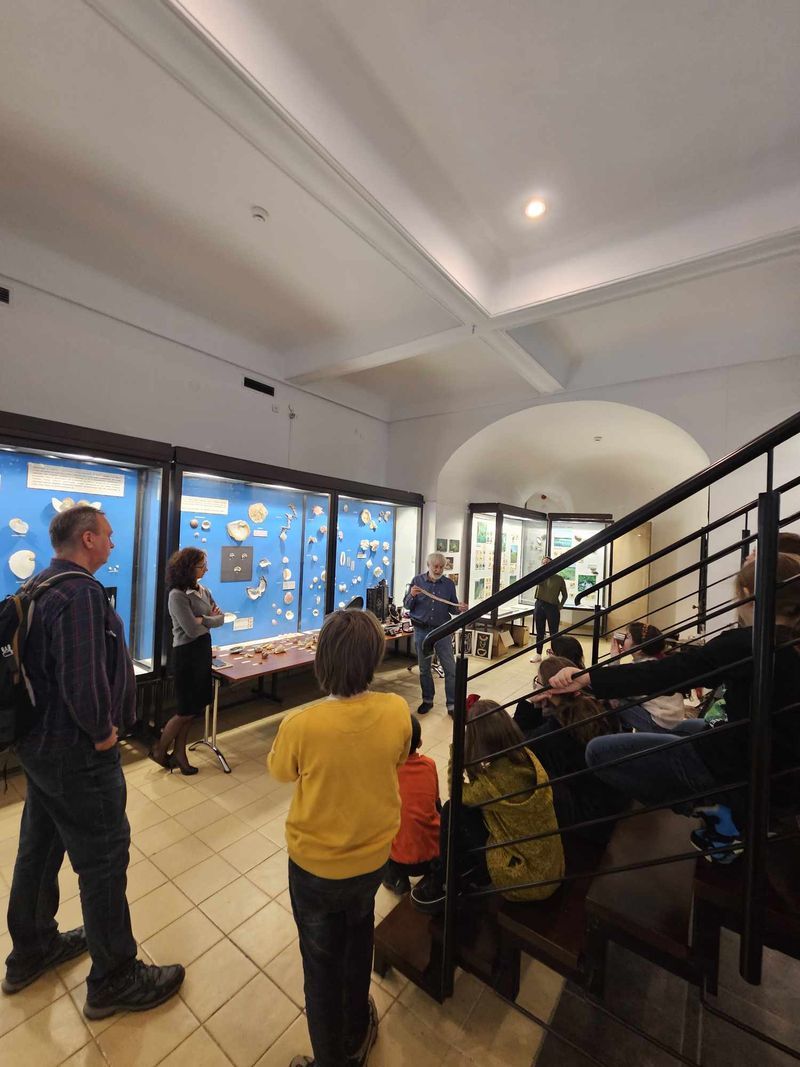
Biodiversity of insects
The exhibition presents not only the morphological diversity of insects, but also their life strategies. Large display cases contain specimens belonging to most modern insect orders, arranged systematically. Here we find dragonflies, mayflies, and orthoptera alongside hymenoptera and butterflies, as well as stick insects, bugs, and flies. They come from different regions of the world. A separate display case is dedicated to insects from the Krakow area. In the further part of the exhibition, you can learn about the different life strategies of insects in terms of their feeding habits. The exhibition teaches us that phytophagous insects are vegetarians, while parasitoids and parasites live at the expense of others. We can learn about insects living in societies and see plant damage and galls – plant products caused by insects. A separate display case contains a presentation of current research on insects carried out at ISEA PAS.
Beetles
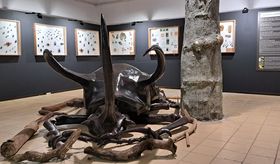
An exhibition devoted to beetles, the most numerous group of animals on earth, which play an important role in the functioning of biocenoses, the human economy, and culture. During the tour, you can see a wealth of species from around the world, from small beetles to the largest goliaths. An additional attraction is a huge model of a stag beetle.
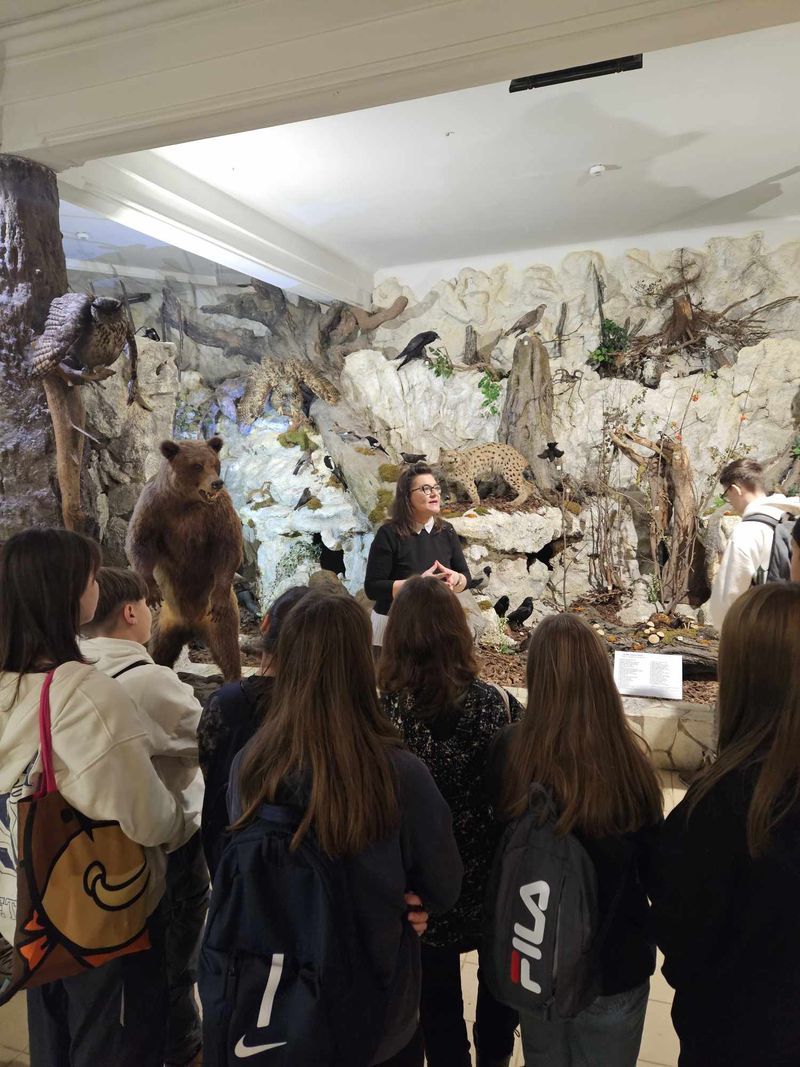
Forest fauna of Europe
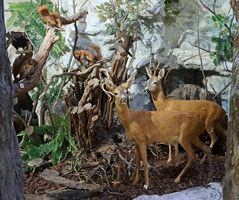
The aim of the exhibition is to present the species diversity of European fauna. The exhibition primarily targets the youngest visitors and is educational in nature. It features many rare and protected animal species, such as the eagle owl (Bubo bubo), the Eurasian lynx (Lynx lynx), the wolf (Canis lupus), and the brown bear (Ursus arctos), as well as common species such as the roe deer (Capreolus capreolus) and the wild boar (Sus scrofa).
Out of Africa – Hominisation
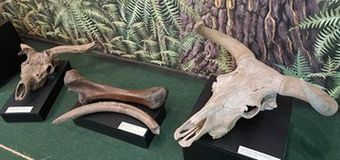
An exhibition that reveals the mystery of human development and encourages reflection on the direction of our further evolutionary path. During the long process of development, humans solved adaptation problems, effectively distancing themselves in appearance and behaviour from other primates. We do not know exactly how the descent from the trees and adaptation to life on the ground took place. There are many theories on this subject, but it is certain that it was a gradual, slow biological evolution – anthropogenesis.
Cave fauna
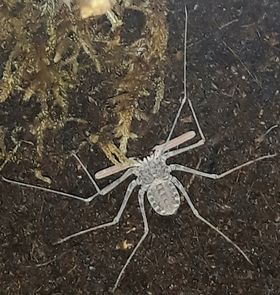
The exhibition is devoted to organisms inhabiting underground sites in Poland and around the world. The cave-blind cavefish, (Astyanax mexicanus), exhibits adaptations to life in darkness, such as a lack of pigment and the disappearance of eyes. The exhibition also features amblypygi (Euphrynichus bacillifer), an arachnid familiar from the Harry Potter stories, alongside fish. The exhibition is complemented by a film showing animals active at night, captured on camera.
Fluorescent minerals
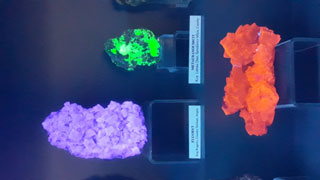
British scientist George Gabriel Stokes discovered mineral fluorescence, one of nature's most spectacular phenomena, at the "Fluorescent Minerals" exhibition. In the world of minerals, there is a group of stones that glow with their light when exposed to ultraviolet radiation. These include fluorite, dolomite, halite, and opal.
Crabs
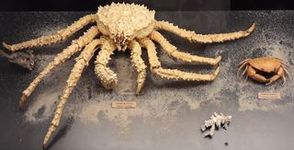
An exhibition devoted to decapods (Decapoda), one of the most diverse orders of crustaceans. Crabs (Brachyura) are the most numerous species presented at the exhibition. Most of them are marine animals inhabiting warm ocean waters. The Japanese spider crab (Macrocheira kaempferi), is the largest crab in the world, and a model of it can be seen here. Its size impresses among smaller crustaceans. The invasive red king crab (Paralithodes camtschaticus), on the other hand, inhabits the cold waters of the Barents Sea. Among the terrestrial decapods, you can see hermit crabs and the coconut crab, (Birgus latro), whose diet consists of coconuts. The exhibition is diversified by a display of corals, which build the richest ecosystems in the world after equatorial forests.
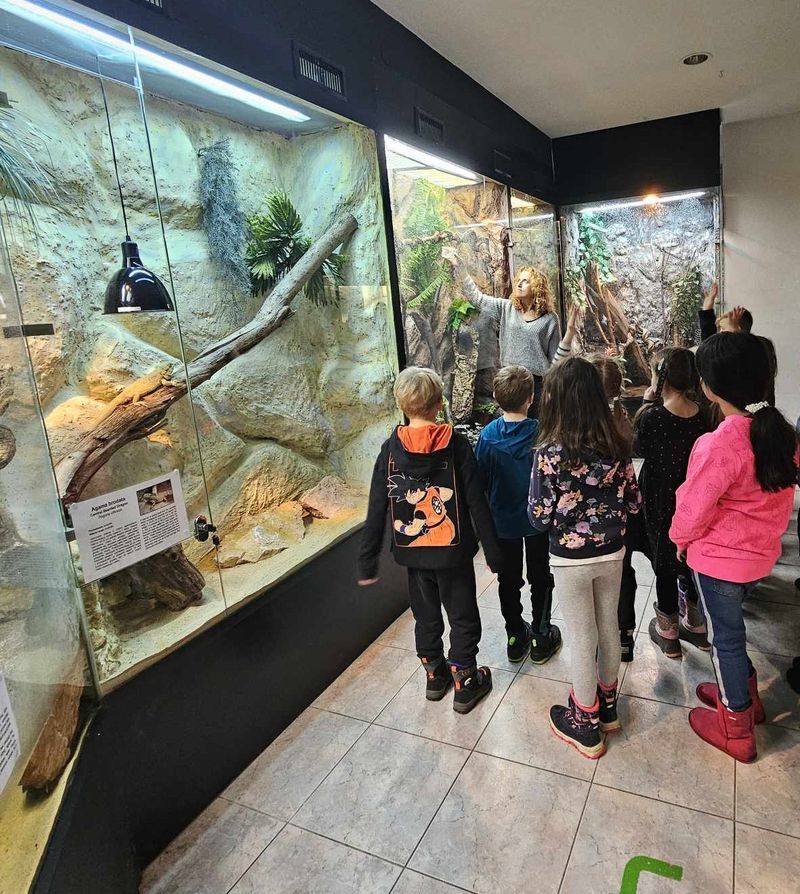
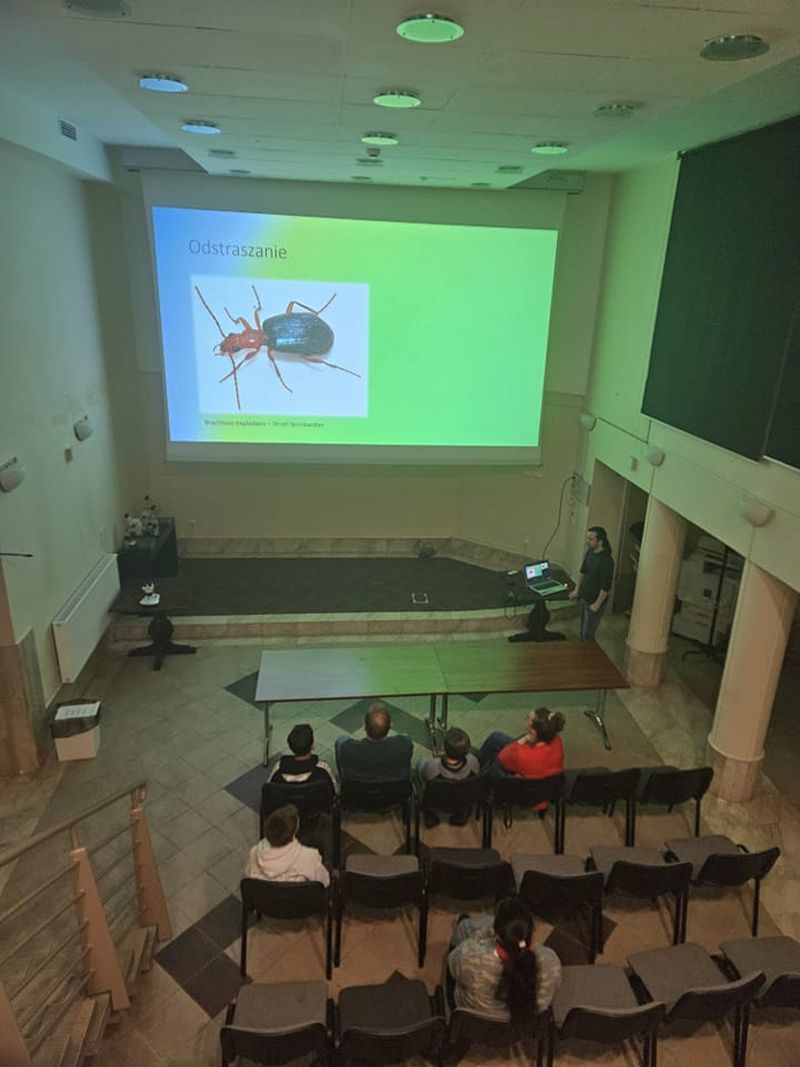
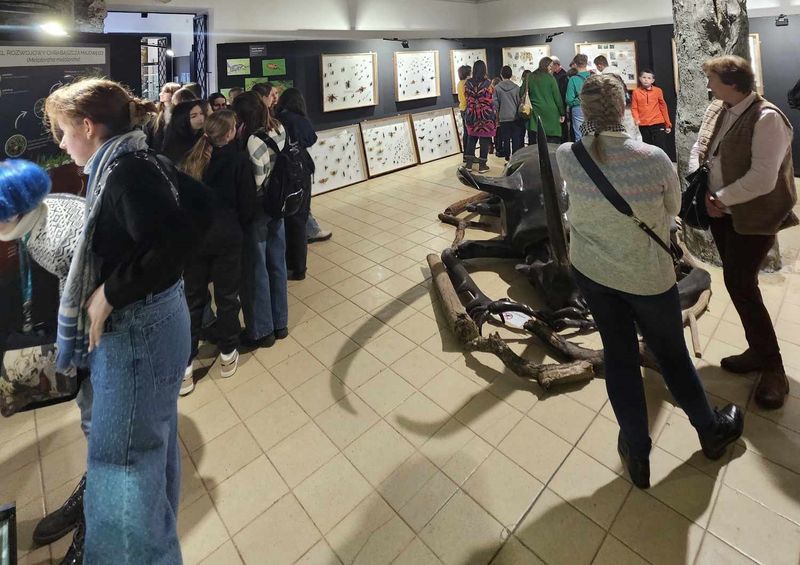
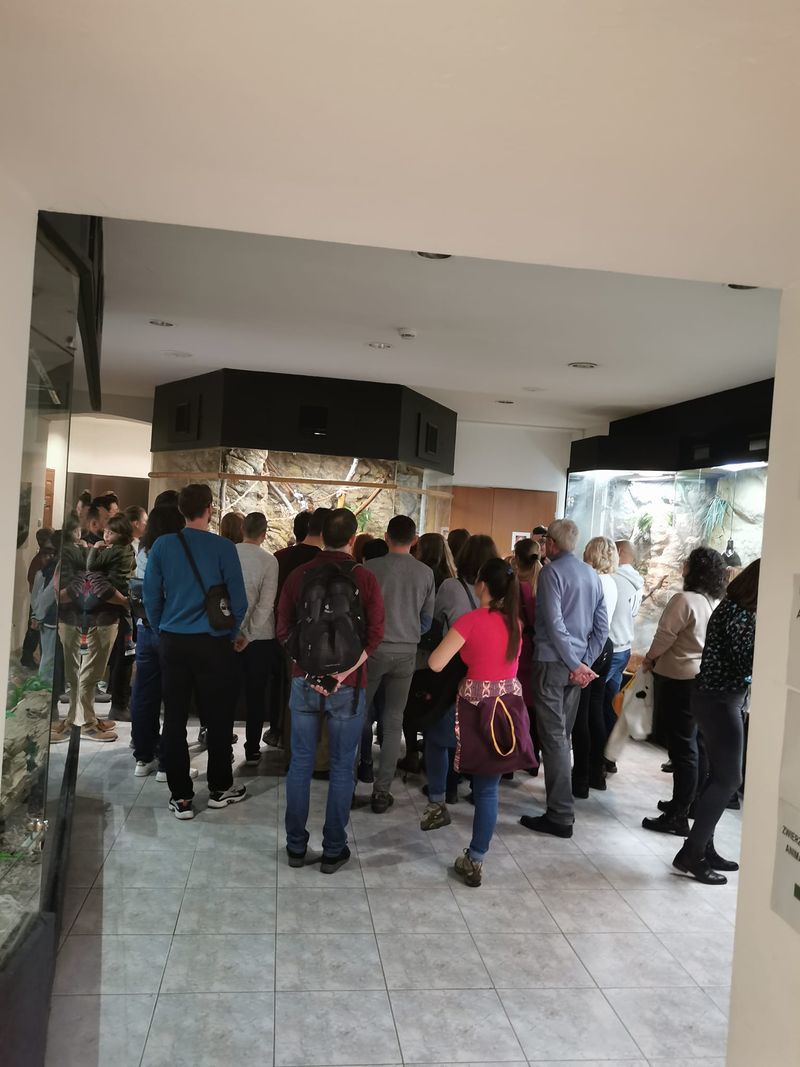
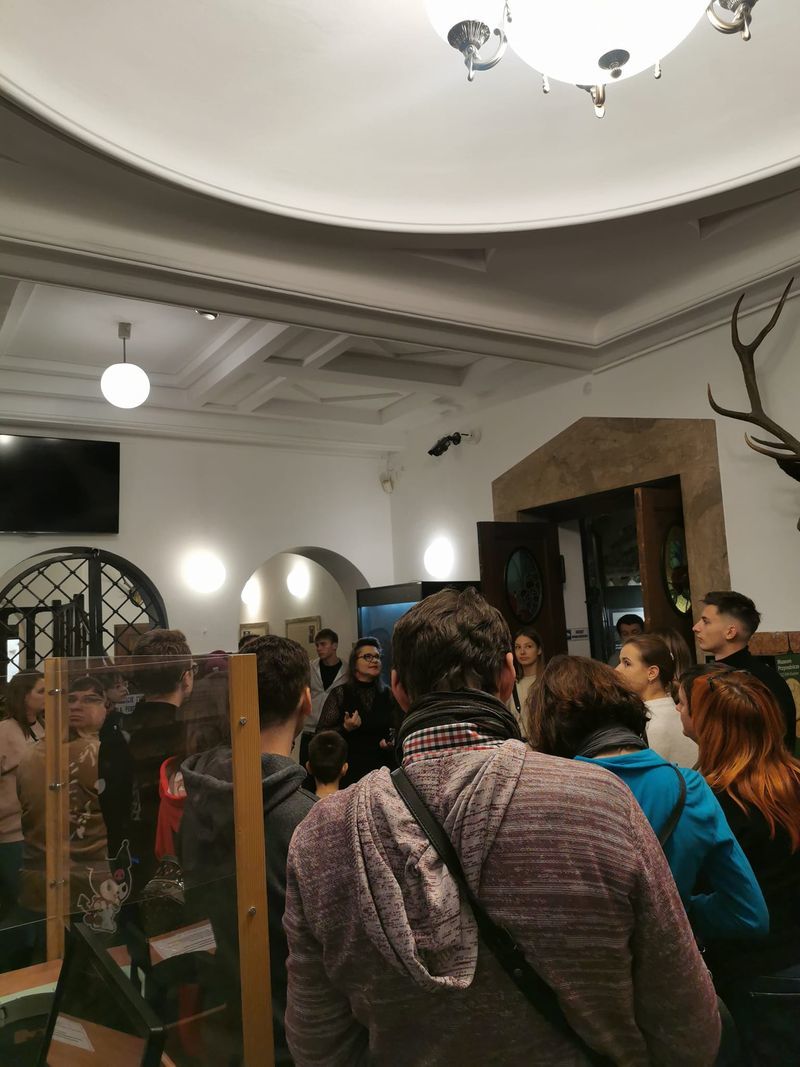
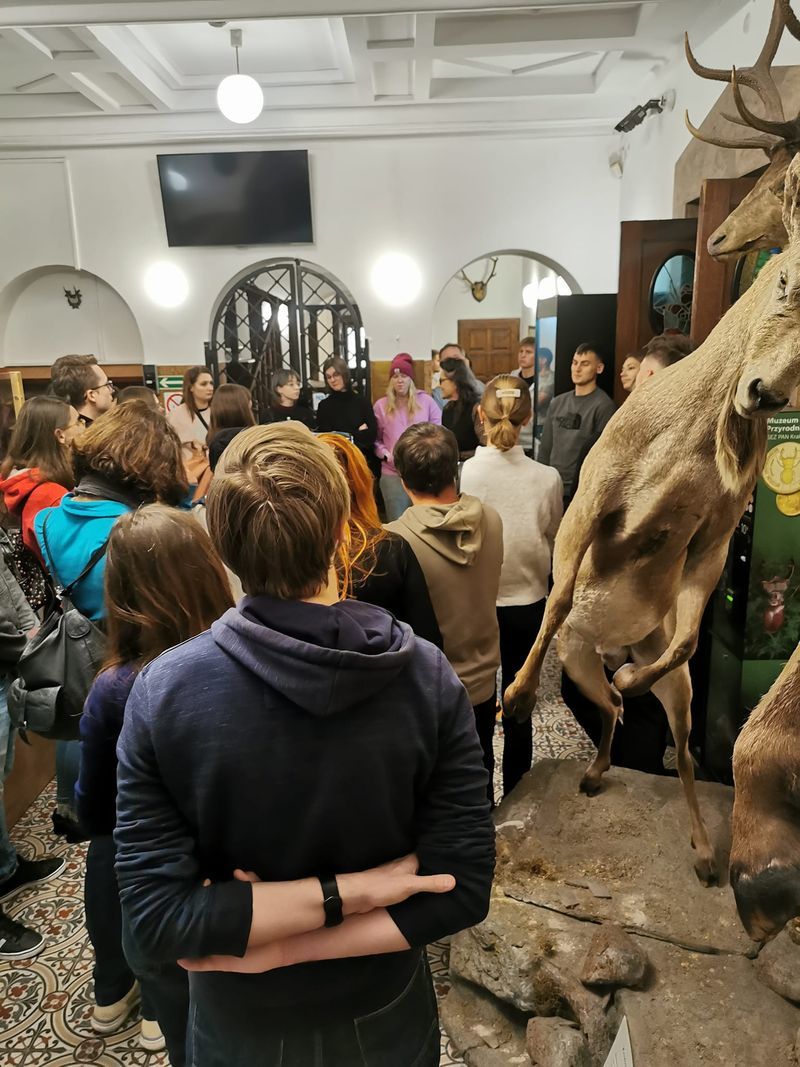
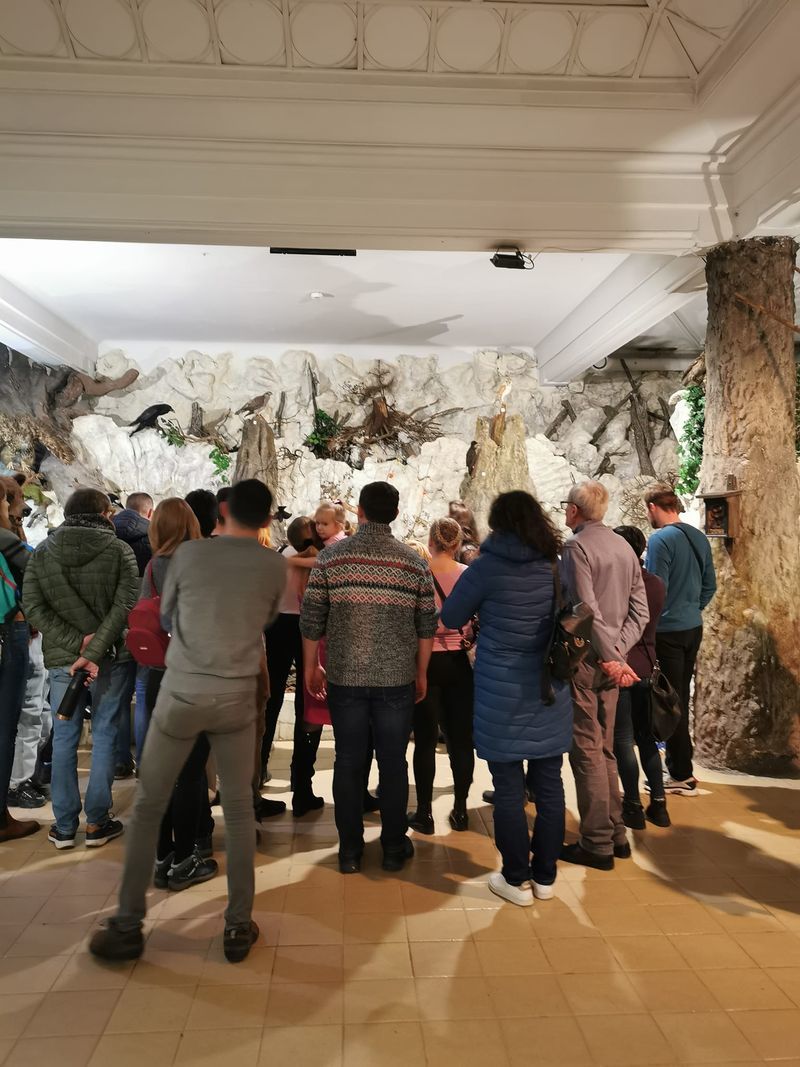
About the museum
|
History of the Natural History Museum ISEA PAS
The ISEA PAS Natural History Museum has its origins in the Physiographic Commission of the Krakow Scientific Society, established in 1865. Initially, the collections were stored in a university building on Św. Anny Street, and in 1870, they were moved to the attic of the Krakow Scientific Society (since 1873, the Academy of Arts and Sciences) on Sławkowska Street. The museum displayed geological collections and specimens of flora and fauna.
The first exhibition, featuring K. Wodzicki's ornithological collections and geological and palaeontological collections, was opened to visitors in 1888. Between 1896 and 1914, the seat of the Academy of Arts and Sciences was gradually expanded, and in 1922, the natural history exhibition was reopened.
In 1930, the museum acquired a unique specimen of a woolly rhinoceros from Starunia in eastern Podkarpacie, dating back approximately 40,000 years. During World War II, the most valuable museum collections were evacuated to the basement and ground floor of the building. After the war, the museum exhibition was reopened in 1946. Geological collections were displayed on the ground floor, while the attic housed a new zoological exhibition entitled “Fauna of Poland and Tropical Areas” and a palaeontological exhibition entitled “Fauna of the Pleistocene in Poland”.
In 1953, the collections of the Natural History Museum were divided between three newly established institutions of the Polish Academy of Sciences. The zoological collections remained at Sławkowska Street. The expansion of the research laboratories and library, along with the renovation of the building, had a negative impact on the museum exhibition, which was gradually reduced. The long-planned relocation of the museum exhibition outside the academy’s premises was not completed until 1992, with the purchase of the former “Roman Baths” building on Św. Sebastiana Street.
After the initial adaptation of the new premises, the first exhibition, “Sea Shells,” was opened in January 1993, followed by several temporary exhibitions. In 1995, on the occasion of the museum’s 130th anniversary, a historical exhibition was prepared, and the permanent exhibition “Fauna of the Pleistocene in Poland” was recreated in its new location. By 2007, over 70 temporary exhibitions had been organised at the museum, including 9 in cooperation with foreign museums, e.g., from France, Switzerland, Ukraine, and Germany. The museum has organised over 40 travelling exhibitions throughout Poland and hosted several national and international conferences.
The museum's collection includes over 2 million specimens. Recently, it has been enriched with valuable donations, including a collection of amber (donated by Jacek Serafin), a collection of minerals and fossils (donated by Prof. Zbylut Grzywacz), and a collection of volcanic rocks (donated by Zygmunt Holcer), taxidermy specimens of birds and mammals (donated by the family of Wiesław Hanczarek).
|